

A complaint the principal can’t ignore looks nothing like the one most parents send.
Most parents report bullying the way they were raised to handle conflict — with a phone call, a face-to-face conversation, and a good-faith assumption that the school will do the right thing.
That approach rarely produces results.
Not because the school is always acting in bad faith. But because a verbal complaint leaves no record, creates no obligation, and is easy to minimize, misremember, or quietly set aside.
A written complaint — specific, structured, and sent to the right people — is a different thing entirely. It creates a timestamp. It uses language the school’s own policy recognizes. It puts the responsibility for response directly on the administration.
This is how you write one that works.
The Short Answer
A bullying complaint that gets taken seriously is not an emotional appeal — it is a documented, factual report that uses the school’s own language and policy framework against inaction. It names the incidents, the dates, the people involved, and the impact on your child. It uses the word “bullying.” It requests a specific response by a specific timeframe. And it goes to more than one person.
That combination is much harder to ignore than a phone call.
What Most Parents Get Wrong
Most bullying complaints fail to produce results for predictable reasons.
They are verbal, not written. Phone calls and hallway conversations leave no record. The school can claim they were never notified, or that the situation was resolved informally. Email creates a timestamp and a paper trail.
They are emotional rather than factual. A complaint that leads with how upset your family is gives the school room to respond with sympathy rather than action. A complaint that leads with specific dates, incidents, and documented impact is harder to deflect.
They use vague language. “My child is being bullied” without specifics gives the school nothing to investigate and nothing to respond to formally. The more precise the language, the harder it is to minimize.
They go to only one person. A complaint sent only to the classroom teacher or counselor can be contained. A complaint copied to the principal and district-level staff is more difficult to quietly shelve.
They don’t reference the school’s own policy. Most districts have a written anti-bullying policy with required response procedures. A complaint that cites that policy — by name — signals that you know what the school is obligated to do.
What to Do Now
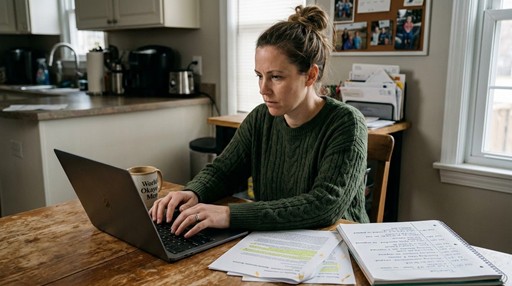
- Gather your documentation before you write. Before drafting the complaint, compile every incident you can document: dates, descriptions, what your child said, any witnesses, any screenshots or saved messages. The complaint should reflect a pattern, not just a single event.
- Write a clear subject line. Use something direct and unambiguous: “Formal Bullying Report — [Your Child’s Name] — [Grade/Teacher].” This signals immediately that the email is an official report, not a casual concern.
- Open with a factual statement of purpose. Start with one sentence: “I am writing to formally report bullying involving my child, [name], a [grade] student at [school name].” No preamble. No apology. No hedging.
- Describe the incidents specifically. List what happened, when it happened, and who was involved. Use dates where possible. Use your child’s words where relevant. If there are multiple incidents, list them in chronological order. Keep the tone factual, not emotional.
- Describe the impact on your child. Note any changes in behavior, attendance, physical symptoms, or emotional state — and when those changes began. This connects the bullying to documented harm, which strengthens the report.
- Reference the school’s anti-bullying policy by name. Include a line such as: “I am making this report in accordance with [District Name]’s anti-bullying policy and am requesting that the formal investigation process outlined in that policy be initiated.” This puts the school on notice that you know the policy exists.
- Request a written response within a specific timeframe. Close the email with a clear ask: “Please confirm receipt of this report and provide an update on the investigation process within five school days.” Giving a timeframe creates accountability.
- Copy the right people. Send the complaint to the principal. Copy the school counselor and the district’s student services coordinator or assistant superintendent. You do not need to explain why — just include them. Their presence on the email changes the dynamic.
What Not to Do
Don’t lead with emotion. Save the personal impact for the middle of the complaint, after the factual account. Leading with how devastated your family is gives the school an opening to respond with sympathy instead of action.
Don’t threaten legal action in the first complaint. Introducing legal language too early often causes schools to go into defensive mode and stop communicating directly with you. Build your record first.
Don’t send it on a Friday afternoon. Emails sent late Friday often get buried. Send early in the week to maximize the chance of a prompt response within your requested timeframe.
Don’t use vague language. “Ongoing issues” and “a difficult situation” are easy to minimize. “Three incidents between September 14 and October 2, described below” is not.
Don’t stop at one email if you get no response. A formal complaint with no response is itself important documentation. Follow up in writing after five school days and note that your original report has not been acknowledged.
When to Escalate
A well-written complaint should produce a written response and an explanation of the investigation process within a reasonable timeframe — typically five to seven school days.
It may be time to escalate if:
- You receive no response after a formal written complaint and follow-up
- The response is vague, dismissive, or reframes the situation as “peer conflict”
- The behavior continues or worsens after your complaint is acknowledged
- The school’s response does not follow the procedures outlined in their own anti-bullying policy
- The bullying involves race, religion, disability, sex, or national origin — which may implicate federal civil rights protections and warrant a more formal response
If school-level complaints produce no results, escalating to the district superintendent in writing — or filing a formal complaint with the state department of education — may be appropriate next steps. In situations involving protected characteristics, an OCR complaint may also be worth exploring with outside guidance.
Take the Next Step
Writing a complaint that actually moves the school is a skill — and most parents have never been taught how to do it. If you want help getting the language right before you send, or if you’ve already sent a complaint and gotten no response, support is available.
- If you need help drafting your complaint, reviewing what you’ve written, or deciding what to do after a non-response, click here to book a parent strategy call.
- Before you write anything, it helps to know exactly what documentation you have and what’s missing. Click here to complete the Student Protection Readiness Checklist — a practical first step that takes just a few minutes.
FAQs
1. Does a bullying complaint have to be in a specific format to be official?
In most cases, no. A clear written report—such as an email—can serve as an official complaint as long as it includes relevant details (who, what, when, where, and impact). Some districts also provide formal complaint forms. If available, you can submit the form and follow up with an email so you have a documented record of your report.
2. What if I’ve already spoken to the school verbally and nothing changed?
It’s helpful to follow up with a written report that references those earlier conversations. For example: “I previously raised this concern verbally on [approximate date]. I am now submitting a formal written report.” This creates a clear timeline and ensures there is a documented record moving forward.
3. Should I include that my child is afraid to go to school?
Yes, if it accurately reflects your child’s experience. Information about school avoidance, stress, or physical symptoms helps show the impact of the situation on your child’s well-being and ability to participate in school. Keep the description factual and specific, including dates and observable effects when possible.
4. What if the school says they investigated but found no evidence of bullying?
You can request a written summary of the investigation process, including what steps were taken and how the conclusion was reached. If concerning behavior continues, document each new incident and submit additional reports. A consistent record of reports and outcomes can be important if you need to escalate the issue later.
Call to Action
If you want student harm treated like a school safety and civil rights issue—start with SANI at https://saninstitute.net