Getting called “peer conflict” is the school’s way of closing the door before you’ve even been heard.
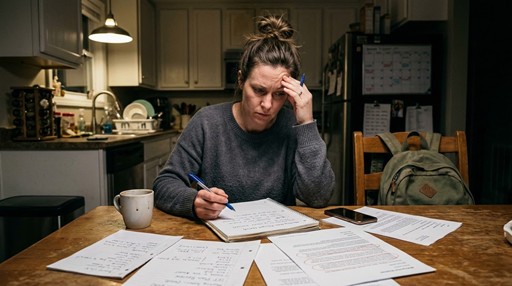
You went to the school. You explained what your child told you. You showed them the messages, described the incidents, maybe even cried in that office.
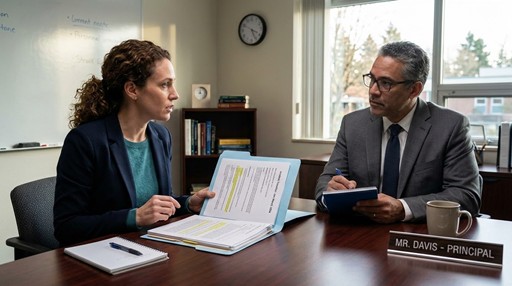
And they looked at you and said: “This sounds like peer conflict.”
That phrase is doing a lot of work — and not for your child.
“Peer conflict” is the language schools use when they want to treat a power imbalance like a mutual disagreement. It implies both kids share responsibility. It often means no formal investigation. No discipline. No documentation. Just a conversation, maybe a handshake, and a hope that it resolves itself.
If your gut says that’s wrong, your gut is probably right.
The Short Answer
The school calling something “peer conflict” does not make it peer conflict. It is a label — and labels determine how seriously a school responds.
Bullying involves a power imbalance, repetition, and intent to harm. Peer conflict involves two kids with roughly equal standing and a disagreement that goes both ways. If your child is consistently targeted, excluded, humiliated, or hurt — and the other child is not experiencing the same from your child — that is not a mutual conflict. That is a pattern. And patterns matter.
You are not required to accept their label.
What This Usually Means
When a school reaches for “peer conflict,” a few things are usually happening beneath the surface.
They want to avoid a formal bullying investigation. Most states require schools to respond to reported bullying with a documented process. “Peer conflict” sidesteps that requirement. If it’s not bullying, there is no investigation required.
They don’t have documentation. If no one has been keeping records — incident reports, witness accounts, prior complaints — the school has little to work with. Rather than acknowledge a gap, they minimize.
They are managing liability, not your child. Schools are institutions. When staff say “we see this all the time” or “kids work this out,” they are often telling you more about their workload than about your child’s situation.
They may have misread the dynamics entirely. A child who is being targeted often looks like an equal participant from the outside — especially if they’ve started reacting, crying, or lashing back. Schools sometimes see only the moment, not the pattern.
None of this means the school is malicious. But it does mean you need to take control of how this situation is framed and documented — starting now.
What to Do Now
- Write down everything that has happened — with dates. Before your next conversation with the school, create a written timeline. Every incident. Every date you can approximate. What your child said, when they said it. Texts, screenshots, or photos saved and labeled. This is your foundation.
- Put your concern in writing to the school. Send an email — not a phone call — to the principal or school counselor. Use the word “bullying.” State what has happened, when it started, and that you are formally requesting it be treated as a bullying report. Email creates a paper trail. Phone calls do not.
- Ask directly what their bullying investigation process is. Every school district that receives federal funding is required to have an anti-bullying policy. Ask them in writing: “What is your process for investigating a bullying report? How long will that take? Who will I hear from?”
- Request a copy of the school’s anti-bullying policy. You can usually find this in the student handbook or on the district website. Read it. See what they are obligated to do — and whether they are doing it.
- Do not agree that this is “peer conflict” in writing or in meetings. If they send you a summary email calling it peer conflict, or ask you to sign any document using that framing, you are not required to agree. You can respond in writing: “I do not agree that this constitutes peer conflict. I am reporting this as bullying and requesting a formal response.”
- Keep your child’s voice in the record. If your child shares something new — a comment that was made, something that happened on the bus, a message they received — write it down with the date and keep it. It builds the pattern.
- Stay calm, but stay firm. Schools respond differently to parents who are organized and persistent versus parents who are only upset. Being emotional is understandable. But putting things in writing, asking specific procedural questions, and following up consistently will carry more weight.
What Not to Do
Don’t rely on phone calls alone. Conversations leave no record. Every important communication about bullying should go through email.
Don’t let the meeting end without a follow-up plan. If the school says “we’ll look into it,” ask: by when? Who will contact you? What will they do? Get specifics before you leave the room or end the call.
Don’t assume the school has more information than you. Parents sometimes hold back because they assume the school is already investigating quietly. They often are not.
Don’t escalate emotionally before you escalate procedurally. Going straight to the school board or threatening a lawsuit without a paper trail first often weakens your position. Build the record. Then escalate.
Don’t accept reassurance in place of action. “We’re aware of the situation” is not a plan. “We spoke to both students” is not an investigation. You are looking for documented process, not a feeling that someone cares.
When to Escalate
Some situations call for more than a follow-up email.
It may be time to escalate beyond the principal if:
- The school acknowledges your report but takes no documented action within a reasonable timeframe
- The behavior continues or worsens after you’ve reported it
- Your child is showing signs of anxiety, school refusal, physical symptoms, or emotional withdrawal
- The school uses “peer conflict” framing repeatedly despite your written objection
- The bullying involves race, religion, disability, sex, or national origin — which may implicate federal civil rights protections under Title VI, Title IX, or Section 504
- You are being ignored, discouraged from reporting, or made to feel like the problem
In those cases, going above the principal — to the district superintendent or your state’s department of education — may be appropriate. In more serious situations, families sometimes consult an educational advocate or seek legal guidance.
You do not need to threaten anyone. You need a clear record and a clear next step.
Take the Next Step
You are not overreacting. You are trying to protect your child from something the school has decided to call by a different name. Documentation, persistence, and knowing the process are the most powerful tools you have right now — and you don’t have to figure it out alone.
- Need help organizing what you have, preparing for your next school meeting, or deciding whether this situation warrants escalation? Book a parent strategy call and talk through your options with someone who understands how this works: https://calendly.com/jerrylgreen2011
Not sure where you stand right now? Start with the Student Protection Readiness Checklist — a practical first step to help you understand what’s in place and what gaps may need to be addressed: https://sprchecklist.abacusai.app
FAQs
1. Is “peer conflict” just the school’s way of avoiding accountability?
Not always. “Peer conflict” can describe situations where two students have a mutual disagreement or clash. However, concerns arise when the label is applied to situations that involve repeated, one-sided behavior or a clear power imbalance. If your child is consistently being targeted and harmed, it may be appropriate to question whether the situation is being accurately characterized and request clarification in writing.
2. What if I report bullying and the school says they investigated but found nothing?
You can request details about the investigation, including what steps were taken, who was interviewed, and how conclusions were reached. A general statement that no bullying was found does not provide insight into the process. If the behavior continues, document new incidents and report them again, noting any patterns or changes over time.
3. Does it matter if the bullying is happening online and not at school?
It can still be relevant to the school, especially if the behavior affects your child’s ability to feel safe or participate in school activities. Many schools have policies addressing cyberbullying. It’s helpful to report the issue in writing and ask how the school’s policies apply to off-campus conduct. Keep copies of messages, screenshots, and timestamps as part of your documentation.
4. Can I use the term “harassment” instead of “bullying” when reporting?
Yes. In some cases, “harassment” may be more precise—particularly if the behavior relates to characteristics such as race, sex, disability, or religion. Using clear and accurate language can help ensure the situation is reviewed under the appropriate policies and standards. You can also use both terms together to reflect the full context of the concern.
Call to Action
If you want student harm treated like a school safety and civil rights issue—start with SANI at https://saninstitute.net