
Table of Contents
Click to Expand
1. Audio
2. Definition
3. Video
4. Core Thesis
9. Action Steps
10. FAQs
11. Call to Action
12. Sources
13. Signature
Definition
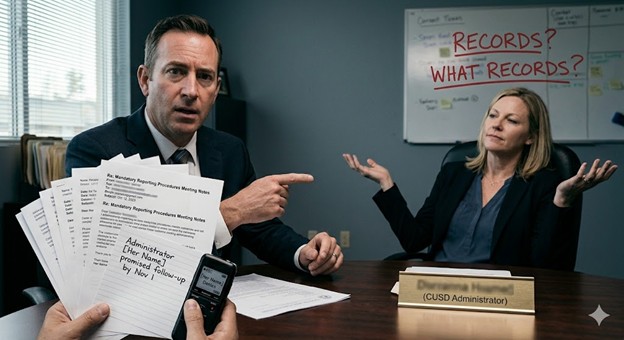
Selective memory occurs when California administrators deny conversations occurred, contradict documented commitments, claim meetings never happened, or assert “no record exists” of reports/promises despite parents’ contemporaneous documentation—creating institutional gaslighting where district officials confidently assert opposite of documented reality to avoid accountability, violating California Government Code § 815.6 when denials contradict mandatory documentation duties and creating evidence of bad faith when administrators deny meetings/statements proven through emails, recordings, or witness confirmation.
Core Thesis
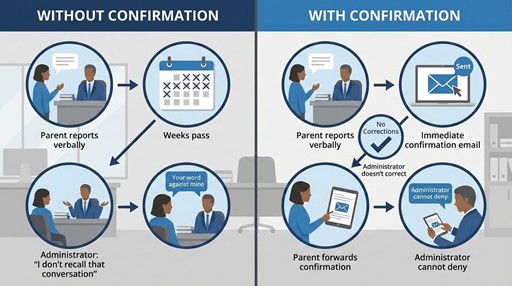
Administrators weaponize “I don’t recall” and “we have no record” to escape accountability—parent reports incident verbally, administrator promises action, weeks pass with no follow-through, parent follows up, administrator claims “I don’t recall that conversation” or “we have no documentation of that report,” turning parent’s reasonable reliance on verbal commitments into “your word against mine” despite conversation actually occurring. We convert trauma into code by sending confirmation emails immediately after every verbal conversation (“This confirms our [date] meeting where you stated [X], committed to [Y], and agreed to [Z]—please confirm or correct within 48 hours”), creating contemporaneous written record administrator cannot later deny, forcing administrators to either correct inaccuracies immediately or accept confirmation through silence, eliminating selective memory defense by making every conversation documented and undeniable. Selective enforcement IS discrimination when administrators remember conversations with white families (documented in emails, followed through on commitments) but develop sudden amnesia about identical conversations with families of color—proving selective memory applied based on whose commitments matter.
Case Pattern Story
Mother in San Diego reports son’s assault to principal October 1. Principal verbally promises: “I’ll investigate within 10 days and get back to you.”
October 15: No update. Mother emails: “Following up on assault report from October 1.”
Principal responds: “I don’t recall any report about an assault. When did this supposedly occur?”
Mother shocked—she reported in person, principal promised investigation.
Attorney recognizes pattern: “Without contemporaneous written confirmation, it’s your word against theirs. They’ll claim conversation never happened to avoid accountability for failing to investigate.”
Solution going forward: Mother sends confirmation emails after every conversation:
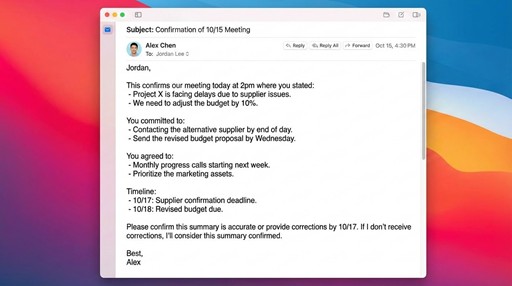
November 5 meeting about new incident:
“Subject: Confirmation of 11/5 Meeting
This confirms our meeting today at 3pm where:
- You stated you would investigate the 11/4 incident
- You committed to interviewing witnesses by 11/10
- You agreed to provide findings by 11/15
- You promised to call me with updates by 11/8
Please confirm this summary is accurate or provide corrections by 11/7. If I don’t receive corrections, I’ll consider this confirmed.”
Principal doesn’t respond within 48 hours.
November 20: Investigation not complete. Mother follows up.
Principal: “I said I’d investigate, but didn’t commit to specific dates.”
Mother forwards November 5 confirmation email: “Your 11/5 commitments documented. You didn’t correct within 48 hours, confirming accuracy. Investigation overdue per your timeline.”
Principal cannot deny—written confirmation creates undeniable record.
SANI Connection
SANI identifies selective memory as accountability avoidance through denial—administrators know that without written records, disputes become “parent says / administrator says” credibility contests where institutional authority typically prevails, allowing districts to escape consequences for broken promises, failed investigations, and ignored reports by simply denying conversations occurred.
SANI’s counter-strategy is mandatory confirmation emails:
After every phone call, in-person meeting, or verbal conversation with any school staff about any issue:
Within 2 hours, send email:
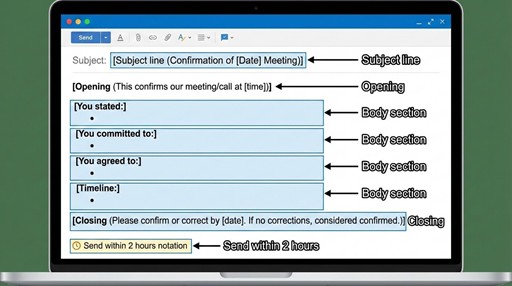
“This confirms our [phone call / meeting] today at [time]:
You stated: [bullet points] You committed to: [bullet points with specific dates] You agreed to: [bullet points] Timeline discussed: [dates for each action]
Please confirm this summary is accurate or provide corrections by [48 hours from now]. If I don’t receive corrections, I’ll consider this summary confirmed.”
Effect:
- Creates contemporaneous written record
- Forces administrator to correct inaccuracies immediately or accept through silence
- Eliminates “I don’t recall” defense
- Provides evidence for enforcement complaints when commitments broken
Rule: No verbal agreement is real until confirmed in writing sent same day.
Discipline Explanation
Why Administrators Use Selective Memory
Avoids Accountability: Can’t be held responsible for promises never (allegedly) made
Shifts Burden: Makes parent prove conversation occurred rather than district prove action taken
Eliminates Deadlines: No documented commitments means no enforceable timelines
Prevents Liability: Denying knowledge of reports prevents establishing district had notice
Legal Implications of False Denials
Bad Faith: When administrator denies documented conversations, this proves dishonest purpose rather than good faith—eliminates qualified immunity, supports punitive damages
Spoliation: Claiming “no record” when records should exist under policy creates adverse inference
Deliberate Indifference: Denying knowledge of reports prevents establishing actual notice—but confirmation emails prove notice despite later denials
Confirmation Email Strategy
Timing: Within 2 hours of conversation (same day while memory fresh)
Format:
- Subject: “Confirmation of [Date] [Meeting/Call]”
- “This confirms our [meeting/call] today at [time]:”
- Bulleted statements, commitments, agreements with specific dates
- “Please confirm or correct by [48 hours]. If no corrections received, considered confirmed.”
Legal Effect:
- Creates contemporaneous written record
- Silence = confirmation of accuracy
- Eliminates “I don’t recall” defense
- Provides evidence when promises broken
Follow-Through: When deadlines missed, forward confirmation email: “Your [date] commitments documented in attached email, which you didn’t correct, confirming accuracy. [Action] now overdue per your timeline.”
When Administrator Claims “We Have No Record”
Response: “I contemporaneously documented our conversation. Please review attached confirmation email sent [date], which you didn’t correct within 48 hours. Your silence confirmed accuracy. This creates record of your commitments regardless of your internal documentation practices.”
If continued denial: “Your denial of documented conversation creates evidence of bad faith. I have contemporaneous written record you didn’t correct. This will be included in all complaints as consciousness of wrongdoing—you’re denying documented reality to avoid accountability.”
Named Framework: The Confirmation Email and Selective Memory Prevention Protocol
Step 1: Send Confirmation Email Within 2 Hours of Every Verbal Conversation
After every phone call, in-person meeting, or verbal discussion with any school staff about your child: within 2 hours, send confirmation email. Subject: “Confirmation of [Today’s Date] [Meeting/Call].” Body: “This confirms our [meeting/call] today at [time]: You stated: [bullets]. You committed to: [bullets with specific dates]. You agreed to: [bullets]. Timeline: [dates]. Please confirm this summary accurate or provide corrections by [48 hours]. If no corrections received, I’ll consider confirmed.” Do this EVERY time without exception.
Step 2: If No Correction Within 48 Hours, Consider Summary Confirmed by Silence
If administrator doesn’t respond with corrections within 48 hours, their silence confirms accuracy of your summary. Save confirmation email and note in your records: “Confirmation email sent [date], no corrections received within 48 hours, summary confirmed by silence per email terms.” This creates binding record of what was said/agreed regardless of administrator’s later claims. Their opportunity to correct passed—they accepted summary through silence.
Step 3: When Administrator Claims “I Don’t Recall” or “No Record,” Forward Confirmation Email
When administrator later denies conversation or claims no record: immediately forward original confirmation email: “Your claim of no record contradicted by attached confirmation email sent [date] documenting our conversation. You didn’t provide corrections within 48 hours, confirming accuracy. Denial of documented conversation creates evidence of bad faith—you’re contradicting written record you had opportunity to correct. Acknowledge documented commitments or explain denial.”
Step 4: Include Selective Memory Denials in All Complaints as Bad Faith Evidence
In OCR complaints, due process, litigation: dedicate section to administrator denials: “Administrator denied conversations/commitments documented in contemporaneous confirmation emails (attached). Administrator received emails, had 48 hours to correct, didn’t respond—confirming accuracy through silence. Later denials of documented reality prove bad faith, consciousness of wrongdoing, deliberate attempt to avoid accountability. This eliminates good faith defenses, supports punitive damages, establishes institutional dishonesty.”
Step 5: Train All Family Members to Send Confirmation Emails After Any School Contact
Extend protocol to all interactions: if spouse talks to teacher, sends confirmation email. If grandparent attends meeting, sends confirmation. If student reports conversation with counselor, parent sends confirmation. Create family-wide practice: no verbal school conversation is complete until confirmation email sent same day. This creates comprehensive documentation preventing selective memory across all staff interactions with any family member about your child.
Action Steps
1. Within 2 Hours of Every Verbal School Conversation, Send Confirmation Email
After any phone call, meeting, or verbal discussion with teacher, administrator, or staff about your child: within 2 hours while memory fresh, send email. Subject: “Confirmation of [Date] [Meeting/Call].” Body format: “This confirms our [meeting/call] today at [time]: You stated: [bullets]. You committed to: [bullets with dates]. You agreed to: [bullets]. Timeline: [specific dates for actions]. Please confirm accurate or provide corrections by [48 hours]. If no corrections, considered confirmed.” Send every single time—no exceptions.
2. If No Correction Within 48 Hours, Document That Silence Confirmed Summary
When 48 hours passes without administrator providing corrections: add note to your saved confirmation email: “Sent [date], no corrections received within 48-hour deadline, summary confirmed by silence per email terms.” This creates binding record. Their silence accepting your summary means they cannot later claim conversation didn’t happen or commitments weren’t made—they had opportunity to correct and chose not to. Confirmed through silence.
3. When Administrator Denies, Immediately Forward Confirmation Email With Pointed Response
If administrator later claims “I don’t recall” or “we have no record”: forward original confirmation email with response: “Your denial contradicted by attached confirmation email sent [date]. You had 48 hours to correct inaccuracies—you didn’t respond, confirming summary accuracy through silence. Denying documented conversation creates bad faith evidence. You’re contradicting written record you had opportunity to correct. This denial will be included in all complaints as consciousness of wrongdoing. Acknowledge documented commitments immediately.”
4. In All Complaints, Include Administrator Denials as Independent Bad Faith Violation
Dedicate section in OCR complaints, due process, litigation to selective memory: “Administrator denied [conversation/commitment] documented in contemporaneous confirmation email sent [date] (attached Exhibit X). Administrator received email, had 48-hour correction period, didn’t respond—confirming through silence. Later denial of documented reality proves: bad faith (dishonest purpose, not good faith disagreement), consciousness of wrongdoing (denying to avoid accountability), institutional dishonesty (pattern of denying documented conversations). This eliminates qualified immunity, supports punitive damages, establishes unreliable institutional representations.”
5. Make Confirmation Emails Family-Wide Practice for All School Interactions
Establish family protocol: anyone having school conversation about your child sends confirmation email within 2 hours. Spouse talks to teacher? Confirmation email. Grandparent attends meeting? Confirmation email. Student reports counselor conversation? Parent sends confirmation. Create template for family members to use. This comprehensive documentation prevents selective memory across all possible staff interactions—no administrator can claim conversation didn’t happen when family has contemporaneous written record of every interaction.
Action Steps
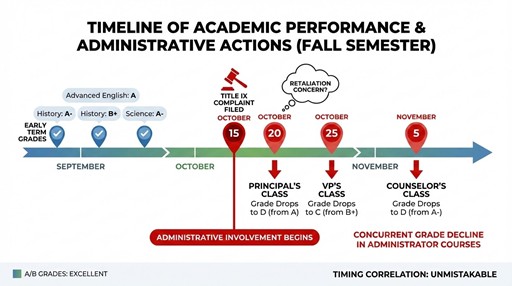
1. Before Filing Complaints, Document Complete Academic Performance Baseline
Create pre-complaint academic record: copy transcripts showing consistent performance, save all graded assignments with scores/teacher comments, screenshot grade portals, photograph report cards. Date and organize chronologically. This baseline essential for proving post-complaint grade drops are retaliation not legitimate performance changes. Without baseline, proving retaliation much harder.
2. After Complaint, Request Written Justification for Any Grade Drops Within 48 Hours
Monitor grades closely. Any drop within 30 days of complaint filing, immediately send: “Child’s grade in [class/teacher] dropped [old→new] on [date], [X] days after we filed [complaint type]. Provide written justification within 5 days: objective criteria used, specific assignments causing drop, how current work differs from prior [grade level] work, rubrics applied.” Vague responses (“participation declined”) support retaliation claim—demand specifics.
3. Chart Grade Changes By Teacher—Identify Retaliation Pattern
Create spreadsheet: columns for each class/teacher, rows showing grades over time, mark complaint filing date. If only administrators/teachers involved in complaint show grade drops while uninvolved teachers’ grades stay consistent—this pattern proves retaliation. File public records request: “All emails/communications between administrators and [student’s] teachers mentioning [student name] or complaint from [30 days before complaint] to present.”
4. File Retaliation Complaint Citing Temporal Proximity and Selective Pattern
To district/OCR/due process: “Student maintained [average] for [timeframe]. Within [days] of parent filing [complaint], grades dropped only in classes taught by complaint-involved administrators: [list changes with dates/names]. Uninvolved teachers’ grades unchanged. Work quality unchanged (prior assignments attached for comparison). Temporal proximity + selective pattern + lack of justification = retaliation violating Title IX § 106.71 / IDEA § 300.151. Demand investigation and grade corrections.”
5. In Settlement, Demand Grade Corrections and Transcript Remediation
Require: (1) Retaliatory grades corrected to pre-complaint levels or independently re-evaluated, (2) Corrected grades issued to colleges/scholarship programs student applied to, (3) Letter from superintendent acknowledging retaliation and explaining corrections, (4) Monetary damages for scholarship losses/college application harm, (5) Anti-retaliation policy prohibiting discussing complaints with student’s teachers, (6) Training and monitoring.
FAQs
1. Why do administrators claim not to remember conversations that definitely occurred?
Selective memory is an accountability-avoidance strategy. If an administrator can deny that a conversation occurred or that commitments were made, they avoid responsibility for broken promises, missed deadlines, failed investigations, or ignored reports. Without written documentation, disputes become credibility contests where institutional authority often prevails. Statements like “I don’t recall” turn real conversations into “your word against mine.” Confirmation emails eliminate this defense by creating a contemporaneous written record administrators cannot later deny.
2. How do confirmation emails prevent administrators from denying conversations?
Confirmation emails sent within a short time after a conversation (ideally within 2 hours) create a contemporaneous written record of what was discussed and agreed upon. The email should request corrections within 48 hours. If the administrator does not respond, their silence effectively confirms the accuracy. Later denials are undermined because: (1) a written record exists, (2) they had an opportunity to correct it, and (3) they failed to do so. This shifts the issue from memory failure to credibility.
3. What if an administrator claims they didn’t receive my confirmation email?
Send confirmation emails through multiple channels—school email, district email, and personal email if available—and copy yourself. Keep the sent email with timestamp. If non-receipt is later claimed, you can show it was sent and not returned as undeliverable. The key point is opportunity: the administrator had the chance to respond and correct the record. Whether they chose to read it or not does not negate that opportunity. Their lack of response still supports the reliability of your documentation.
4. Can I record conversations instead of sending confirmation emails?
Recording laws vary, and in California, all parties must consent to recording. Confirmation emails are a safer and universally accepted method: they create a written record, demonstrate good faith, and give the administrator an opportunity to correct inaccuracies. If recordings are made with proper consent, confirmation emails should still be sent referencing the conversation. Having both a recording and an unchallenged written summary creates especially strong documentation.
5. What if an administrator disagrees with my confirmation email?
A written disagreement is still useful—it forces the administrator to commit to their version of events in writing. You can respond by documenting both versions and requesting any supporting evidence for their claim. This creates a clear, documented discrepancy and prevents later changes in their account. Whether they agree or disagree, the conversation is now formally documented, eliminating the ability to rely on “I don’t recall.”
Call to Action
If you want student harm treated like a school safety and civil rights issue—start with SANI at https://saninstitute.net
Sources
-
California Government Code § 815.6 –
State statute creating liability when public entities breach mandatory duties imposed by law or policy, applicable when administrators fail to properly document required communications or later deny those interactions.
https://leginfo.legislature.ca.gov/faces/codes_displaySection.xhtml?lawCode=GOV§ionNum=815.6 -
California Evidence Code § 412 –
Establishes that when a party fails to produce evidence within its control, the fact-finder may infer that the evidence would have been unfavorable, relevant when districts claim “no record” despite having documentation obligations.
https://leginfo.legislature.ca.gov/faces/codes_displaySection.xhtml?lawCode=EVID§ionNum=412 -
Restatement (Second) of Contracts § 4 –
Legal principle recognizing that silence can constitute acceptance or confirmation when a party has a duty to respond, applicable to confirmation emails where administrators fail to correct inaccuracies.
https://www.ali.org/publications/show/contracts/ -
Federal Rules of Evidence 801(d)(2) –
Defines statements made by a party as admissible non-hearsay when offered against that party, applicable when administrators provide written responses (or confirmations) that can be used as evidence.
https://www.law.cornell.edu/rules/fre/rule_801 -
Cedars-Sinai Medical Center v. Superior Court, 18 Cal.4th 1 (1998) –
California Supreme Court decision addressing spoliation and evidentiary consequences when parties fail to preserve records, relevant when institutions claim lack of documentation for events that should have been recorded.
https://scocal.stanford.edu/opinion/cedars-sinai-medical-center-v-superior-court-31348