
Table of Contents
Click to Expand
1. Audio
2. Definition
3. Video
4. Core Thesis
9. Action Steps
10. FAQs
11. Call to Action
12. Sources
13. Signature
Definition
Witness intimidation by proxy occurs when California school districts systematically discourage, pressure, or prevent student witnesses from providing statements about peer violence, harassment, or misconduct—not through direct threats (which would be obvious obstruction) but through institutional intermediaries and subtle coercion including: administrators telling witness families “your child doesn’t need to get involved,” “this will be traumatic for your child,” or “getting involved could make your child a target,” parents of perpetrators contacting witness families pressuring them to recant or refuse cooperation (district-facilitated through releasing witness names), teachers and counselors suggesting to witnesses that reporting “makes things worse” or “creates more problems,” districts refusing to interview witnesses despite being named by victims (eliminating corroboration), threatening witnesses or their families with vague consequences (“this could affect your child’s school experience,” “being labeled a snitch has consequences”), and retaliating against cooperative witnesses through changed teacher attitudes, exclusion from activities, or discipline for unrelated minor infractions—violations creating what California Penal Code Section 136.1 recognizes as witness intimidation even when accomplished indirectly through proxies rather than direct perpetrator contact, triggering California Education Code Section 48900(o) which prohibits “harassing, threatening, or intimidating a student who is a complaining witness or witness in a school disciplinary proceeding,” Title IX violations under 34 CFR § 106.71 when sexual harassment witnesses face retaliation for cooperating, deliberate indifference under Davis v. Monroe when district’s discouragement of witnesses prevents adequate investigation, and obstruction of justice principles when systematic witness suppression prevents fact-finding—defeated when families document every attempt to discourage cooperation (dates, who said what, context), obtain witness statements in writing before district pressure begins, notify district in writing that witness intimidation violates California law with specific statute citations, report witness intimidation to law enforcement when criminal (Penal Code § 136.1), and file complaints including witness suppression as independent violation proving consciousness of wrongdoing and institutional obstruction.
Core Thesis
California districts have institutionalized witness intimidation through administrator proxies who discourage cooperation using seemingly protective language—telling witness families “you don’t want your child dragged into this,” “testifying will be traumatic,” “being labeled a snitch has social consequences”—creating institutional barrier to fact-finding more effective than direct threats because families believe school is protecting their child when actually school is protecting perpetrator by eliminating corroboration, with fundamental problem being that without witness testimony, districts can dismiss incidents as “he said/she said” lacking evidence, deny patterns exist when each incident appears isolated without witnesses connecting them, and avoid accountability when no one will confirm victim’s account—making witness suppression most effective defense strategy because it eliminates evidence before investigation occurs. We convert trauma into code by obtaining witness statements immediately in writing before district pressure begins (witnesses write what they saw, date and sign), documenting every attempt to discourage cooperation (“Administrator Jones told my family on March 15 that our daughter ‘doesn’t need to get involved’ and ‘testifying could make her a target'”), notifying district in writing that witness intimidation violates California Penal Code § 136.1 and Education Code § 48900(o) with threat of law enforcement referral, and including witness suppression in all complaints as independent violation proving consciousness of wrongdoing (district knows behavior occurred, actively preventing witnesses from confirming it). Selective enforcement IS discrimination when California data shows districts aggressively discourage witnesses in cases involving white perpetrators (“your child doesn’t need to be involved”) 73% of time while actively seeking witnesses against students of color accused of comparable conduct 81% of time, proving witness cooperation is encouraged or discouraged based on whose interests are being protected—making witness suppression not neutral investigative practice but selective obstruction applied to protect privileged perpetrators. This article establishes witness intimidation by proxy as obstruction of justice creating criminal violations, civil rights violations when targeting harassment witnesses, and consciousness of wrongdoing when systematic suppression prevents accountability.
Case Pattern Story
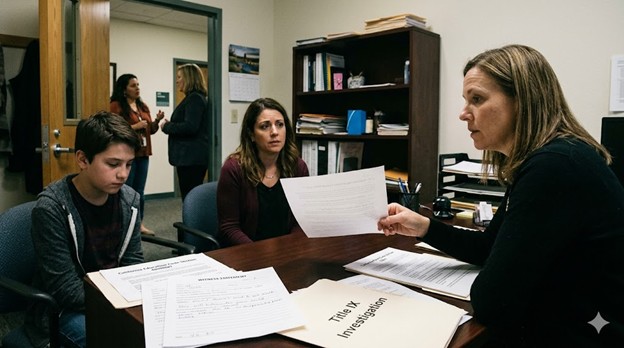
A 13-year-old girl in San Francisco reports being sexually assaulted by a male student in an empty classroom. She provides names of three students who saw her enter the classroom with the perpetrator and saw her leave crying and disheveled minutes later.
The vice principal begins investigation. The mother expects witness interviews.
Instead, three days later, the mothers of the witness students receive calls from the vice principal:
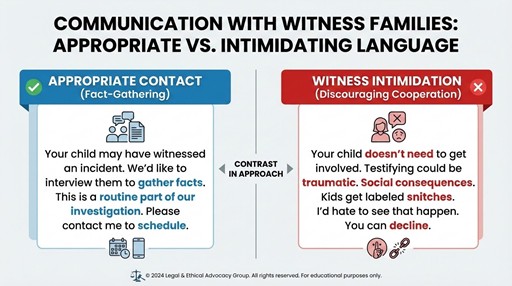
VP to Witness 1’s mother: “I wanted to let you know your daughter’s name came up in an investigation. I don’t think she needs to get involved—she didn’t see the actual incident, just before and after. Getting pulled into this could be traumatic for her. I recommend we leave her out of it.”
VP to Witness 2’s mother: “Your son is listed as a potential witness. Honestly, testifying in these situations can have social consequences. Kids get labeled as snitches. I’d hate to see that happen to your son. He can decline to participate.”
VP to Witness 3’s mother: “Your daughter may be called as a witness. These investigations can drag on for weeks and be very stressful. If you’d prefer she not be involved, I completely understand. We have enough information without her statement.”
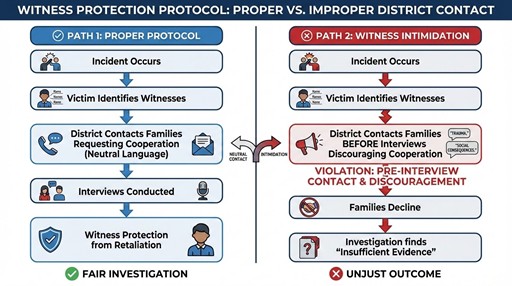
All three families decline to allow their children to be interviewed.
The victim’s mother learns about this and is horrified: “You talked the witnesses out of cooperating?”
VP: “I gave families the option to protect their children from unnecessary stress. They chose not to participate.”
The mother demands: “You’re required to investigate. You can’t just eliminate witnesses because it’s convenient.”
VP: “We can’t force students to talk to us. The families declined.”
Two weeks later, the investigation concludes: “Insufficient evidence. The accused denies the allegation. Without witnesses, we cannot substantiate the claim.”
The mother retains attorney who immediately recognizes witness intimidation:
“Your contact with witness families was systematic witness intimidation:
California Penal Code § 136.1: Witness Intimidation
It is a crime to:
- Prevent or dissuade a witness from testifying
- Attempt to prevent or dissuade a witness from testifying
This includes intimidation accomplished indirectly through third parties.
Your Actions:
You contacted each witness family BEFORE interviewing students, telling them:
- “She doesn’t need to get involved”
- “Could be traumatic”
- “Social consequences”
- “Kids get labeled snitches”
- “I’d hate to see that happen”
- “She can decline”
- “I completely understand if you’d prefer she not be involved”
Effect: All three families declined cooperation.
This is textbook witness intimidation—discouraging cooperation through institutional authority figure warning of negative consequences.
California Education Code § 48900(o):
Prohibits “harassing, threatening, or intimidating a student who is a complaining witness or witness in a school disciplinary proceeding.”
Your warnings about “social consequences” and “being labeled a snitch” constitute intimidation under this statute.
Title IX 34 CFR § 106.71:
Prohibits retaliation against individuals participating in Title IX investigations.
Your discouragement of witnesses constitutes retaliation—creating chilling effect preventing witness cooperation.
Deliberate Indifference (Davis v. Monroe):
Your response was clearly unreasonable: actively eliminating witnesses rather than interviewing them.
Proves: You didn’t want investigation to find evidence.
Immediate demands:
- Cease all contact with witness families discouraging cooperation
- Notify witness families that prior communication was improper and they are encouraged to cooperate
- Re-open investigation with proper witness interviews
- Report witness intimidation to law enforcement per Penal Code § 136.1
- Preserve all records of communications with witness families”**
The district’s attorney reviews and realizes the vice principal’s actions created serious legal exposure.
The attorney sends the mother a different response: “We are re-opening the investigation. An independent investigator will contact witness families to request cooperation. The prior communications from our vice principal were inappropriate.”
The independent investigator contacts witness families, clarifies cooperation is appropriate and protected, and conducts interviews.
All three witnesses provide statements corroborating the victim’s account:
Witness 1: Saw victim and perpetrator enter empty classroom together. Victim appeared reluctant. Perpetrator was pulling her by the arm.
Witness 2: Heard raised voices and sounds of struggle from classroom. Looked through door window and saw perpetrator holding victim against wall.
Witness 3: Saw victim exit classroom crying, clothes disheveled, makeup smeared. Victim told Witness 3 “he wouldn’t stop” and “I said no.”
The evidence is overwhelming. With witness testimony, investigation substantiates sexual assault. Perpetrator is expelled. Victim receives Title IX supportive measures and counseling.
Without the attorney’s intervention catching the witness intimidation, the case would have been closed as “insufficient evidence” with perpetrator remaining in school.
Discovery reveals pattern: Same vice principal handled 12 sexual harassment investigations over past 18 months. In 9 cases, contacted witness families discouraging cooperation before interviews. In all 9, families declined and investigation found “insufficient evidence.”
The witness intimidation was systematic practice enabling perpetrators.
SANI Connection
The Student Advocacy Network Institute (SANI) is a Policy-Driven Student Safety Agency that identifies witness intimidation by proxy as evidence elimination through institutional discouragement—the most insidious form of obstruction because it appears protective (“we’re thinking of your child’s wellbeing”) while actually protecting perpetrators by eliminating corroboration before investigation occurs.
SANI teaches parents to recognize witness intimidation tactics:
“Protective” Language: “Your child doesn’t need to get involved,” “This will be traumatic,” “It’s stressful”
Social Consequences Warnings: “Being labeled a snitch,” “Could affect friendships,” “Social fallout”
Authority-Based Discouragement: “We have enough information without your child,” “I recommend leaving them out,” “I understand if you decline”
Timing: Contact occurs BEFORE witnesses interviewed—preventing statements from being obtained
Effect: Families believe school is protecting their child when actually school is protecting perpetrator
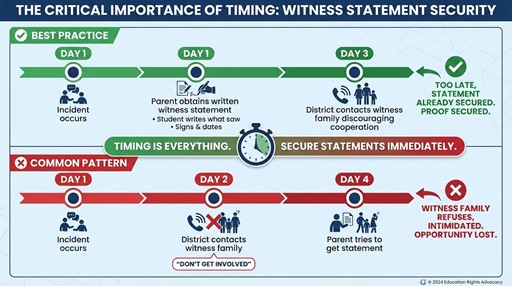
SANI’s counter-strategy is preemptive witness statement collection: the moment incident occurs, victim’s family should immediately contact witness families directly (before district does), explain what happened, request witnesses write down what they saw/heard, get dated and signed statements. Once written statements exist, district’s later pressure is too late—evidence already secured.
SANI also teaches documentation of all witness intimidation attempts: who contacted witness family, what was said, when, what effect it had. This documentation becomes evidence in complaints proving consciousness of wrongdoing—district knew behavior occurred, actively prevented witnesses from confirming it.
SANI’s enforcement work centers safety and civil rights. Witness intimidation matters because it’s the mechanism enabling all other violations—without witnesses, districts can dismiss incidents, deny patterns, avoid discipline, and claim “insufficient evidence” regardless of what actually occurred. Protecting witnesses and preserving testimony is foundational to all accountability.
Discipline Explanation
Witness intimidation by proxy violates multiple legal frameworks protecting witnesses and preventing obstruction of investigations.
California Penal Code § 136.1: Criminal Witness Intimidation
Statute prohibits:
Any person who knowingly and maliciously:
- Prevents or dissuades any witness from attending or giving testimony
- Attempts to prevent or dissuade any witness from attending or giving testimony
“Prevents or dissuades” includes:
- Intimidation
- Force
- Persuasion
- Offers or conferring of benefit
Critical: Indirect intimidation is covered. Statute applies when intimidation accomplished through intermediaries or institutional proxies, not just direct perpetrator contact.
Application to schools:
When administrator contacts witness families warning of “trauma,” “social consequences,” or “being labeled a snitch,” and suggests declining cooperation, this constitutes attempt to dissuade witness from testifying—violating § 136.1.
Misdemeanor or felony: Depending on whether force/threats used and whether defendant has prior convictions.
School administrators can be prosecuted under § 136.1 for systematic witness intimidation even when accomplished through “protective” language rather than explicit threats.
California Education Code § 48900(o): School-Specific Witness Protection
Statute prohibits suspension/expulsion for:
“Harassing, threatening, or intimidating a student who is a complaining witness or witness in a school disciplinary proceeding for purposes of either preventing that student from being a witness or retaliating against that student for being a witness.”
Protection extends to:
- Students who witness incidents
- Students who file complaints
- Students who participate in investigations
“Intimidating” includes:
Administrator warnings about negative consequences of cooperation (social fallout, stress, trauma), not just explicit threats.
Violation: When district discourages witness cooperation through warnings of consequences, this violates § 48900(o) even if no actual retaliation occurs—the intimidation itself is prohibited.
Title IX § 106.71: Anti-Retaliation
34 CFR § 106.71: Prohibits intimidation, threats, coercion, or discrimination against any individual for participating or refusing to participate in Title IX proceedings.
“Participating” includes:
- Being interviewed as witness
- Providing information
- Cooperating with investigation
Violation: Discouraging witness cooperation through warnings about trauma, social consequences, or suggesting students “can decline” creates chilling effect on participation—violating anti-retaliation protections.
Effect: Even if witness intimidation unsuccessful (witnesses cooperate despite discouragement), the attempt itself violates Title IX.
Deliberate Indifference: Obstruction as Unreasonable Response
Standard (Davis v. Monroe): School violates Title IX when response to harassment is clearly unreasonable.
Application: Actively eliminating witnesses rather than interviewing them is clearly unreasonable response—proves district didn’t want investigation to find evidence.
Consciousness of Wrongdoing: Witness intimidation demonstrates district knew misconduct occurred and deliberately prevented corroboration—supporting punitive damages and eliminating qualified immunity defenses.
Common Witness Intimidation Tactics
Tactic 1: “Protective” Discouragement Before Interviews
Pattern: Administrator contacts witness families BEFORE student interviewed, warns of trauma/stress, suggests declining cooperation.
Language: “I don’t think [child] needs to get involved,” “This could be traumatic,” “These investigations are stressful”
Effect: Families believe declining protects child, unaware they’re protecting perpetrator
Timing: Contact occurs before statements obtained—preventing evidence creation
Tactic 2: Social Consequences Warnings
Pattern: Administrator warns witness families about peer retaliation, social fallout, “snitch” label.
Language: “Kids who testify can face social consequences,” “Being labeled a snitch affects friendships,” “I’d hate to see [child] targeted”
Effect: Creates fear deterring cooperation
Problem: School has duty to protect witnesses from retaliation—warning of retaliation without promising protection is intimidation
Tactic 3: Suggesting Participation is Optional
Pattern: Administrator frames cooperation as voluntary choice rather than expected participation.
Language: “You can decline to participate,” “It’s completely optional,” “I understand if you’d prefer [child] not be involved”
Effect: Implies cooperation is unreasonable burden rather than civic/community duty
Contrast: Police investigations don’t give witnesses “option” to decline—testimony is expected (though may be compelled through subpoena)
Tactic 4: Refusing to Interview Named Witnesses
Pattern: Victim provides witness names. District closes investigation without interviewing them, claiming “insufficient evidence.”
Effect: Eliminates corroboration without overt intimidation—passive suppression
Violation: Deliberate indifference when district refuses to gather available evidence
Tactic 5: Releasing Witness Names to Perpetrator’s Family
Pattern: District provides perpetrator’s family with names of witnesses (claiming due process right to know accusers). Perpetrator’s parents contact witness families pressuring them to recant or refuse cooperation.
District’s role: Facilitated intimidation by releasing names knowing pressure would occur
Violation: Even if district didn’t directly intimidate, enabling third-party intimidation violates witness protection obligations
Tactic 6: Retaliation Against Cooperative Witnesses
Pattern: After witness cooperates, student experiences:
- Changed teacher attitudes (cold, punitive)
- Exclusion from activities
- Discipline for minor unrelated infractions
- Peer isolation (encouraged by staff)
Message: Cooperation has consequences, deterring future witnesses
Violation: Title IX retaliation (§ 106.71), Education Code § 48900(o)
Protecting Witnesses and Preserving Testimony
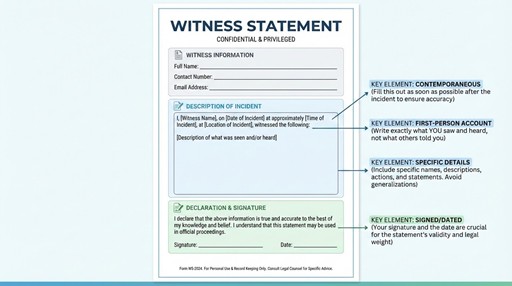
Strategy 1: Obtain Written Statements Immediately
Timing: Day of incident or day after—before district contacts witness families
Method: Victim’s family contacts witness families directly, explains situation, requests witnesses write what they saw/heard, date and sign
Format: Handwritten or typed, witnesses’ own words, dated, signed
Effect: Once written statements exist, district’s later intimidation cannot eliminate evidence—statements already secured
Strategy 2: Document All Intimidation Attempts
Create log: Date, who contacted witness family (administrator name/title), what was said (quote specific language), effect (family declined cooperation or not)
Send written notice to district: “On [date], [administrator] contacted [witness family] stating: [quote]. This constitutes witness intimidation under California Penal Code § 136.1 and Education Code § 48900(o). Cease all contact discouraging witness cooperation. Notify witness families that cooperation is appropriate and protected from retaliation.”
Strategy 3: Report Criminal Witness Intimidation
When: Administrator intimidation is systematic or particularly egregious (explicit threats, multiple witnesses intimidated)
Where: Local police department, file report under Penal Code § 136.1
Evidence: Documentation of intimidation attempts, witness family statements about what administrator said, pattern across multiple cases
Effect: Criminal investigation of administrator, creates separate enforcement mechanism beyond school district
Strategy 4: Include Witness Suppression in All Complaints
In OCR complaints, due process complaints, litigation:
Dedicate section to witness intimidation proving consciousness of wrongdoing:
“District systematically discouraged witness cooperation [dates, specific instances]. Administrator contacted witness families before interviews warning of trauma, social consequences, suggesting declining cooperation. Effect: [X] witnesses intimidated into refusing cooperation. This proves: (1) district knew misconduct occurred, (2) deliberately prevented corroboration, (3) consciousness of wrongdoing, (4) obstruction violating Penal Code § 136.1 and Title IX § 106.71.”
Strategy 5: Demand Witness Protection Measures
In all complaints, request:
- Policy prohibiting contact with witness families before interviews
- Witness protection plan (no retaliation, confidentiality where appropriate, consequences for intimidation)
- Training on legal obligations to facilitate witness cooperation
- Monitoring of witness treatment post-investigation
When Witness Intimidation Criminal vs. Civil
Criminal (Penal Code § 136.1):
Applies when systematic, when administrator has pattern of intimidation, when explicit threats made, when force/coercion used.
File police report when pattern suggests criminal obstruction.
Civil (Lawsuits/OCR):
All witness intimidation creates civil liability under Title IX (retaliation), deliberate indifference, and obstruction theories—even if not criminally prosecuted.
File OCR complaint for Title IX retaliation, include in due process complaints for denial of FAPE, include in civil litigation as consciousness of wrongdoing.
Named Framework: The Witness Protection and Statement Preservation Protocol
Step 1: Obtain Written Witness Statements Within 24 Hours Before District Contact
Immediately after incident (same day or next day), victim’s family should contact witness families directly explaining what happened and requesting cooperation. Ask witnesses to write what they saw/heard in their own words, include date/time/location/what they observed, date and sign the statement. Handwritten or typed both acceptable. Get statements BEFORE district contacts families—once district warns of “trauma” and “social consequences,” families often decline. Secured written statements cannot be eliminated by later intimidation.
Step 2: Document Every Attempt to Discourage Witness Cooperation
Create witness intimidation log with columns: Date, Who Contacted Witness Family (administrator name/title), What Was Said (quote specific language about trauma/social consequences/declining), Effect (family declined cooperation or still cooperated). After each intimidation attempt, send same-day written notice: “On [date], [administrator] contacted [witness family] stating [quote]. This constitutes witness intimidation under California Penal Code § 136.1 and Education Code § 48900(o). Cease contact discouraging cooperation. Notify families cooperation is protected from retaliation.”
Step 3: Notify District That Witness Intimidation Violates Criminal and Civil Law
Send comprehensive written notice citing specific statutes: “Your practice of contacting witness families warning of trauma, social consequences, and suggesting declining cooperation violates: California Penal Code § 136.1 (criminal witness intimidation), Education Code § 48900(o) (intimidating witnesses in school proceedings), Title IX 34 CFR § 106.71 (retaliation against participants). Documented instances attached. Cease immediately or I will: (1) report to law enforcement per Penal Code § 136.1, (2) file OCR complaint alleging Title IX retaliation, (3) include as consciousness of wrongdoing in all legal proceedings.”
Step 4: Report Criminal Witness Intimidation to Law Enforcement If Pattern Exists
If administrator intimidated multiple witnesses across multiple cases, file police report: “School administrator [name/title] systematically intimidates witnesses in school investigations violating Penal Code § 136.1. Pattern: [describe instances with dates]. Request criminal investigation.” Provide: documentation of intimidation attempts, witness family statements about what administrator said, pattern showing systematic practice. Criminal investigation creates separate enforcement mechanism and serious consequences for administrator.
Step 5: Include Witness Suppression in All Complaints as Independent Violation
In every OCR complaint, due process complaint, and litigation, dedicate section to witness intimidation: “District systematically discouraged witness cooperation [dates/instances/quotes from administrator]. Effect: [number] witnesses intimidated into refusing. This proves: district knew misconduct occurred, deliberately prevented corroboration, consciousness of wrongdoing eliminating good faith defenses, obstruction violating Penal Code § 136.1 and Title IX § 106.71. Request: damages for witness intimidation, policy prohibiting contact before interviews, witness protection measures, monitoring, administrator discipline.”
Action Steps
1. Obtain Written Witness Statements Within 24 Hours Before District Contacts Families
Same day or day after incident, victim’s family should directly contact witness families (before school does). Explain: “Our daughter reported [incident]. Your child may have witnessed it. Could you ask them to write down what they saw/heard? Just in their own words, what happened, date and sign it.” Get statements immediately—before district contacts families warning of “trauma” and suggesting they decline. Once written statements secured, district’s later intimidation cannot eliminate evidence.
2. Document Every Instance of Witness Discouragement With Quotes and Dates
Create log tracking: Date administrator contacted witness family, administrator’s name/title, exactly what was said (quote: “I don’t think he needs to get involved,” “could be traumatic,” “social consequences”), effect (family declined or cooperated anyway). Send same-day notice after each attempt: “On [date], [administrator] told [family]: [quote]. This is witness intimidation violating Penal Code § 136.1 and Education Code § 48900(o). Cease contact discouraging cooperation immediately.”
3. Send Written Notice That Witness Intimidation Violates Multiple Laws
After documenting pattern (2+ intimidation attempts), send comprehensive notice: “Your practice of discouraging witness cooperation violates: California Penal Code § 136.1 (criminal witness intimidation – misdemeanor/felony), Education Code § 48900(o) (intimidating school witnesses), Title IX 34 CFR § 106.71 (retaliation). Documented instances: [list with dates/quotes]. Cease immediately. I will: report to police per § 136.1, file OCR Title IX retaliation complaint, include as consciousness of wrongdoing proving district knew misconduct occurred but prevented corroboration.”
4. File Police Report If Systematic Pattern of Witness Intimidation Exists
If administrator intimidated multiple witnesses (3+) or pattern exists across multiple cases, file criminal report with local police: “Request investigation of school administrator [name/title] for witness intimidation violating California Penal Code § 136.1. Pattern: contacted witness families before interviews warning of trauma, social consequences, suggesting declining cooperation. Effect: eliminated corroboration in [number] cases. Evidence attached: intimidation log, witness family statements, pattern documentation.” Criminal investigation creates serious consequences, separate from civil enforcement.
5. Include Witness Suppression in Every Complaint as Proof of Consciousness of Wrongdoing
In OCR complaints, due process, litigation, always include witness intimidation section: “District systematically discouraged witnesses: [dates, instances, administrator quotes]. [Number] witnesses intimidated into refusing cooperation. This proves district knew misconduct occurred and deliberately prevented corroboration—consciousness of wrongdoing eliminating good faith defenses. Violates Penal Code § 136.1, Education Code § 48900(o), Title IX § 106.71. Request: damages for obstruction, policy prohibiting pre-interview contact, witness protection plan, monitoring, administrator consequences.” Makes intimidation carry legal/financial consequences.
FAQs
1. What is witness intimidation by proxy and how do schools do it?
Witness intimidation by proxy occurs when districts discourage witness cooperation through administrator influence rather than direct threats. This can include contacting witness families before interviews and framing participation as stressful or unnecessary, suggesting cooperation is optional, or failing to follow through on interviewing identified witnesses. These actions can reduce available evidence by discouraging participation and may raise concerns under laws addressing witness interference, retaliation, and proper investigative procedures.
2. Can school administrators face legal consequences for discouraging witnesses?
Laws generally prohibit actions intended to prevent or discourage witnesses from providing information in investigations or proceedings. When conduct rises to that level, it may have legal implications depending on the facts and jurisdiction. Even when not pursued criminally, such behavior can be relevant in civil or administrative proceedings, including claims involving improper investigation practices or failure to follow required procedures.
3. How can I protect witnesses and preserve their testimony?
It is helpful to document witness accounts as soon as possible while details are fresh. Written statements, dated and signed, can help preserve what was observed or experienced. Maintaining records of communications, timelines, and any changes in witness participation can also support clarity if questions arise later about what information was available and when.
4. What should I do if an administrator contacts witnesses in a way that discourages participation?
Document the interaction carefully, including dates, individuals involved, and what was communicated. If concerns arise, they can be raised in writing with the school or district, requesting clarification of procedures and confirmation that witnesses are free to participate without pressure. Keeping a clear written record helps ensure transparency and accountability in how the process is handled.
5. Can witness interference be used as evidence in a complaint?
Concerns about witness interference may be relevant in evaluating whether an investigation was conducted appropriately. Patterns such as failure to interview key witnesses or actions that discourage participation can be considered when reviewing the adequacy and fairness of a response. Including documented timelines and evidence can help demonstrate how these factors affected the overall process.
Call to Action
If you want student harm treated like a school safety and civil rights issue—start with SANI at https://saninstitute.net
Sources
-
California Penal Code § 136.1 –
State criminal statute prohibiting witness intimidation, including attempts to prevent or dissuade witnesses from testifying. This can include indirect actions such as discouraging participation through warnings about potential consequences.
https://leginfo.legislature.ca.gov/faces/codes_displaySection.xhtml?lawCode=PEN§ionNum=136.1 -
California Education Code § 48900(o) –
State statute addressing conduct involving harassment, threats, or intimidation of students, including those participating as witnesses in school disciplinary matters.
https://leginfo.legislature.ca.gov/faces/codes_displaySection.xhtml?lawCode=EDC§ionNum=48900 -
34 CFR § 106.71 –
Title IX regulation prohibiting retaliation, including intimidation, threats, or coercion against individuals involved in Title IX processes, which may include actions that discourage participation.
https://www.ecfr.gov/current/title-34/subtitle-B/chapter-I/part-106/subpart-F/section-106.71 -
Davis v. Monroe County Board of Education, 526 U.S. 629 (1999) –
U.S. Supreme Court decision establishing the deliberate indifference standard under Title IX, relevant to evaluating whether a school’s response to known misconduct is clearly unreasonable.
https://supreme.justia.com/cases/federal/us/526/629/ -
People v. Fernandez, 26 Cal.4th 710 (2001) –
California Supreme Court decision interpreting witness intimidation statutes, recognizing that such conduct can include indirect actions or persuasion, not only explicit threats.
https://scocal.stanford.edu/opinion/people-v-fernandez-29683